 2026-06-25
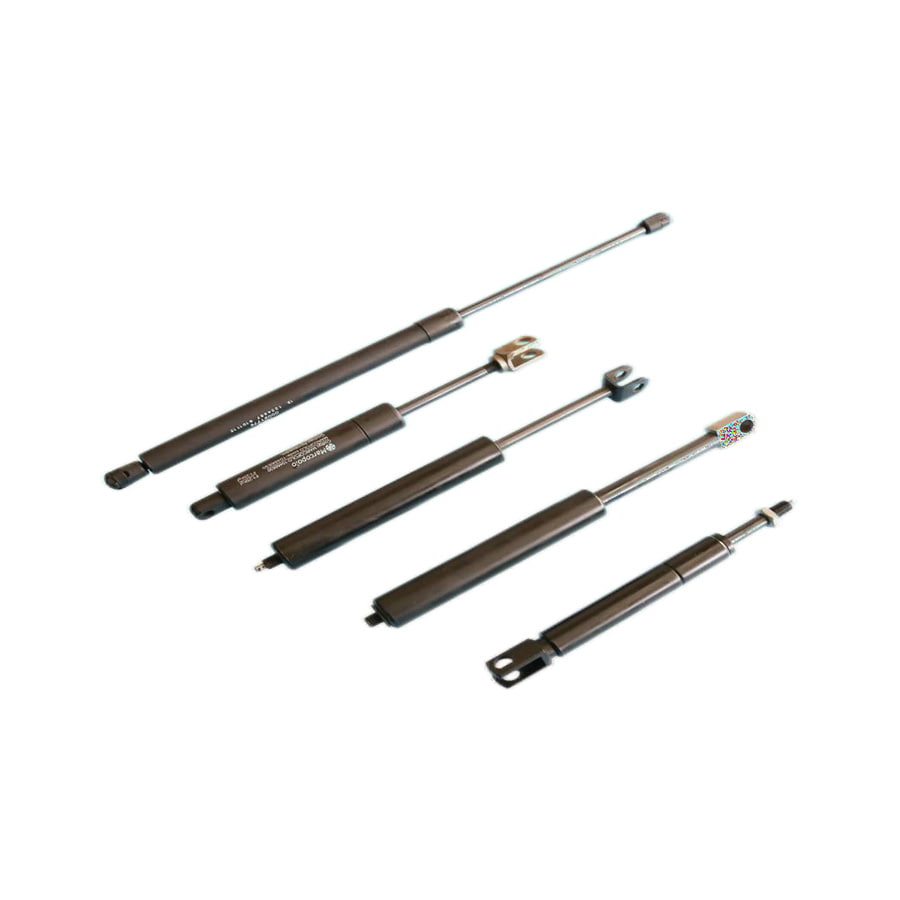
 A heavy-duty gas spring is a sealed cylinder filled with compressed nitrogen gas that's built to push, lift, lower, or hold much heavier loads than a standard gas spring can handle. While a regular gas spring might support a laptop lid or a small cabinet door, a heavy-duty gas spring is designed for jobs like lifting truck bed covers, holding up industrial machine guards, supporting hospital bed frames, or controlling the motion of heavy equipment hoods. The "heavy-duty" label usually means thicker cylinder walls, reinforced piston rods, stronger seals, and a higher force rating, often anywhere from 200N all the way up to several thousand newtons.
Unlike mechanical springs that rely on coiled metal, a heavy-duty gas spring uses gas compression to create smooth, controlled motion. This means there's no jerky snap when you open a hatch or lift a panel. Instead, you get a slow, even push that feels almost effortless, even when the object being lifted weighs a hundred pounds or more.
Once you start looking, heavy-duty gas springs show up in more places than most people realize. They're chosen any time a heavy panel, lid, or door needs to move smoothly and stay in position without someone holding it up.
In nearly every case, the goal is the same: replace manual lifting effort with a controlled, repeatable motion that won't wear out after a few months of daily use.
Picking the wrong gas spring is one of the most common mistakes people make, usually because they guess at the numbers instead of measuring properly. Before ordering a heavy-duty gas spring, you really only need to nail down four things.
This tells you how much push or pull the spring delivers. Too little force and the panel won't lift on its own. Too much force and it'll fly open dangerously fast. A good rule of thumb is to calculate the weight of the object, factor in the mounting angle and leverage point, and choose a spring rated slightly below the full lifting force so a person still has to apply a small amount of effort to open it.
Stroke length is the distance the rod travels from fully compressed to fully extended. Extended length is the full length of the spring when open. Both need to match your mounting space exactly, or the panel either won't open fully or will hit a hard stop too early.
Heavy-duty gas springs typically use thicker tubes and rods than standard versions to handle higher pressure without bending or leaking. A larger diameter generally means a higher force capacity and a longer service life under repeated heavy loads.
Ball studs, eyelets, and clevis mounts all attach differently. Matching the end fitting to your existing bracket avoids the need for custom adapters or drilling new holes.
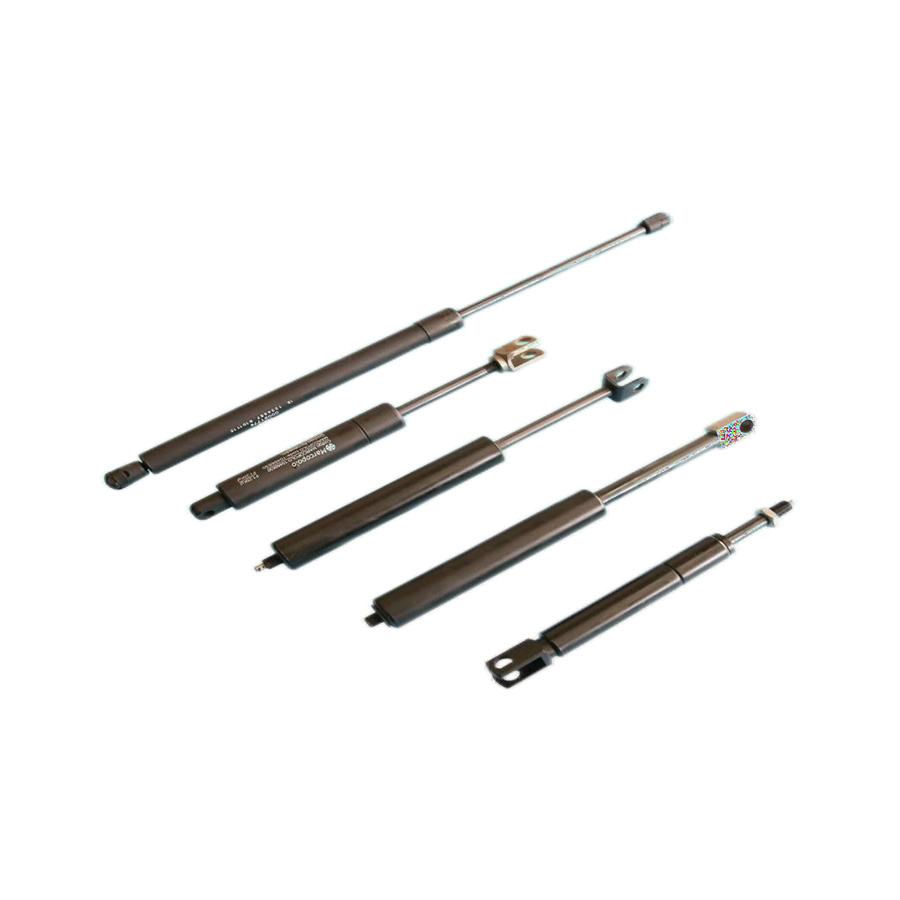
It helps to see the differences side by side, especially if you're trying to decide whether your application actually needs the heavy-duty version or if a standard gas spring will do.
| Feature | Standard Gas Spring | Heavy-Duty Gas Spring |
| Typical Force Range | 20N–200N | 200N–3000N+ |
| Cylinder Wall Thickness | Thin | Reinforced |
| Common Use | Laptop stands, cabinets | Truck covers, machinery, medical beds |
| Expected Cycle Life | 10,000–20,000 cycles | 30,000–60,000+ cycles |
| Seal Quality | Standard rubber | High-pressure, weather-resistant |
Even the best heavy-duty gas spring will underperform if it's installed incorrectly. A few small details during mounting can add years to its working life.
Heavy-duty gas springs are built tough, but they aren't permanent. Nitrogen pressure slowly decreases over years of use, and seals can wear from repeated cycling or exposure to dust, salt, or extreme temperatures. Watch for a panel that droops on its own instead of staying open, a noticeably slower or weaker push than when it was new, visible oil residue around the rod seal, or a hissing sound when the spring is compressed. Any of these signs usually means it's time to swap in a replacement rather than risk a sudden drop of a heavy panel.
When replacing one, it's worth checking both springs on a two-spring setup at the same time, since the second one is often close behind in wear even if it hasn't failed yet.
Not all heavy-duty gas springs are made to the same standard, even if the listed specs look identical on paper. Quality differences often show up in seal materials, gas charging accuracy, and corrosion resistance on the rod surface. Look for suppliers who provide clear force ratings tested under load, offer corrosion-resistant coatings like nickel or zinc plating for outdoor or marine use, and back their products with a reasonable warranty. A slightly higher upfront cost for a well-made heavy-duty gas spring is almost always cheaper than replacing a failed one twice a year.
Choosing the right heavy-duty gas spring really comes down to matching force, stroke length, and mounting type to the exact job at hand, then installing it correctly and keeping an eye on it over time. Get those basics right, and a heavy-duty gas spring can quietly do its job for years, lifting and holding heavy panels with the same smooth motion it had on day one.
 KategoriRekommendera inlägg

Fenglan är Tillverkare av elektriska precisionsdelar i Kina, Tillverkare av precisionsdelar för fordon och Leverantörer av industriella precisionsdelar. Din pålitliga partner inom tillverkning av delar och komponenter sedan 2010
 Tel: +86-13861233850
  E-mail: [email protected]
  Add: No.60, East Zhuanghe Road, Chunjiang Town, Wei Village, Xinbei District, Changzhou City, Kina
  Sekretess


 +86-13861233850
 2025-09-17